
RESTORATIVE DENTISTRY · ST. GEORGE, UTAH
Root Canal Treatment in St. George
Relief for an Injured or Infected Tooth
A persistent toothache can make eating, sleeping and concentrating difficult. It can also be a sign that the soft tissue inside a tooth has become inflamed or infected.
Root canal treatment removes the damaged tissue, cleans the inside of the tooth and allows the tooth to be sealed and restored. The goal is to relieve the source of your discomfort while preserving your natural tooth whenever possible.
At Desert Radiance Dental, Dr. Spencer Richards will carefully evaluate the tooth, explain what he sees and help you understand whether root canal treatment is the right next step.
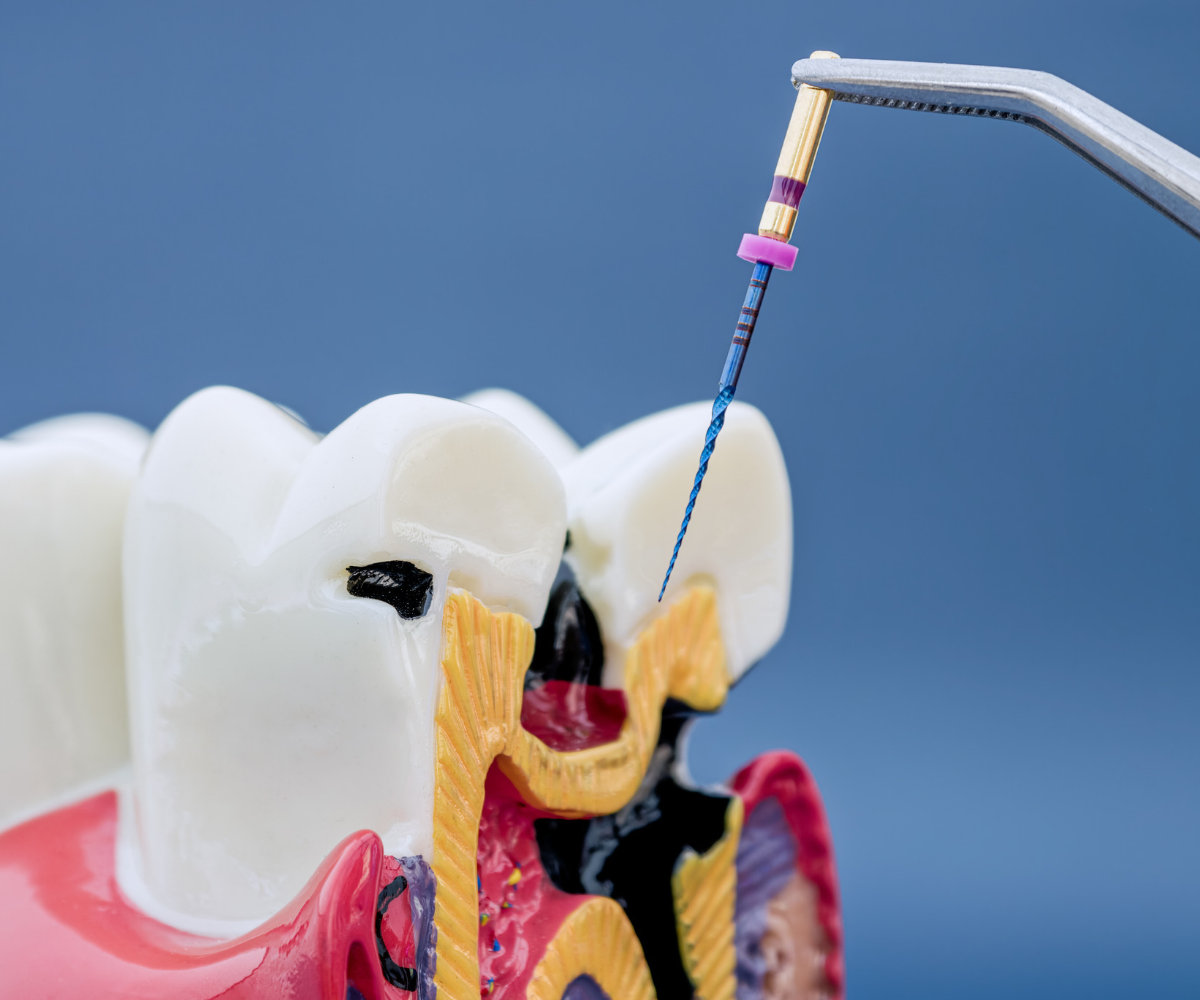
What Is Root Canal Treatment?
Inside each tooth is a space containing dental pulp—a collection of nerves, blood vessels and connective tissue. Deep decay, cracks, trauma or repeated dental procedures can allow this tissue to become irritated, damaged or infected.
During root canal treatment, the compromised tissue is removed from inside the tooth. The canals are then cleaned, shaped, disinfected and sealed.
The tooth is typically restored afterward with a filling or dental crown, depending on its location and how much healthy structure remains.
Root canal treatment may allow you to keep a tooth that might otherwise need to be extracted.
Signs You May Need a Root Canal
Tooth pain does not always mean you need root canal treatment. A cavity, cracked filling, gum problem, bite issue or sensitive tooth can cause similar symptoms.
An examination is the best way to identify the source.
Contact Desert Radiance Dental if you experience:
01
Severe or persistent tooth pain
02
Pain when biting or chewing
03
Lingering sensitivity to hot or cold
04
Swelling near a tooth
05
A bump or pimple on the gums
06
Darkening or discoloration of a tooth
07
Tender or swollen gums
08
A cracked, broken or deeply decayed tooth
09
Pain that wakes you during the night
10
Facial swelling associated with a toothache
Symptoms can sometimes decrease when the nerve inside a tooth stops functioning, even though an infection remains. For that reason, a tooth that suddenly stops hurting may still require an evaluation.
Does a Root Canal Hurt?
Modern root canal treatment is performed with local anesthetic to numb the tooth and surrounding area. Most patients feel pressure or movement rather than sharp pain during the procedure.
The discomfort people associate with root canals frequently comes from the inflammation or infection that made treatment necessary.
Some tenderness may occur after treatment, particularly if the tooth was painful beforehand. We will explain what to expect, how to care for the area and when to contact our office.
If you are nervous, please tell us. Dr. Richards and our team can adjust the pace, explain as much or as little as you prefer and discuss available comfort options.
A Clear Diagnosis Before Treatment
We do not recommend root canal treatment based on discomfort alone.
Dr. Richards may use several forms of information to determine what is happening:
01
Your description of the symptoms
02
A visual examination
03
Digital dental X-rays
04
Temperature or sensitivity testing
05
Pressure and biting tests
06
Evaluation of the gums and surrounding tissues
07
Assessment of cracks, decay and existing restorations
08
Comparison with neighboring teeth
After the examination, Dr. Richards will show you the findings and explain whether the tooth may benefit from root canal treatment, another procedure or continued monitoring.
What to Expect During Root Canal Treatment
01
Examination and Diagnosis
Dr. Richards will evaluate the tooth, review the images and explain why root canal treatment may be recommended. You will have an opportunity to ask questions before making a decision.
02
Keeping You Comfortable
The area around the tooth will be numbed with local anesthetic. A protective covering may be placed around the tooth to keep it isolated and clean during treatment.
03
Removing the Damaged Tissue
A small opening is created in the tooth so the inflamed or infected pulp can be carefully removed.
04
Cleaning the Canals
The spaces inside the roots are cleaned, shaped and disinfected to prepare them for sealing.
05
Sealing the Tooth
The canals are filled and sealed. A temporary or permanent restoration may then be placed over the access opening.
06
Restoring the Tooth
Many teeth—especially back teeth—benefit from a dental crown after root canal treatment. The crown helps protect the remaining tooth structure and restore normal function.
Depending on the tooth and treatment plan, Desert Radiance Dental may be able to provide the final restoration using same-day crown technology.
Will I Need a Crown After My Root Canal?
Not every root canal-treated tooth requires the same restoration.
Back teeth often need crowns because they absorb significant pressure when you chew. A crown can help reinforce a tooth that has lost structure because of decay, cracking or previous dental work.
A front tooth may sometimes be restored with a filling or another conservative restoration if enough healthy structure remains.
Dr. Richards will evaluate:
- Which tooth received treatment
- How much natural structure remains
- Whether the tooth is cracked
- The amount of biting pressure it receives
- Existing fillings or restorations
- Your bite and long-term risk factors
He will explain what he recommends and why.
Root Canal or Tooth Extraction?
When a tooth is infected or severely damaged, the primary options may include saving it with root canal treatment or removing it.
Preserving the natural tooth can help maintain:
- Normal chewing function
- Support for neighboring teeth
- The natural alignment of your smile
- Jawbone stimulation
- Your existing bite
However, root canal treatment may not be predictable when a tooth has a severe fracture, inadequate remaining structure, advanced bone loss or another condition that prevents reliable restoration.
If extraction is the better option, Dr. Richards will explain why and discuss possible tooth-replacement choices, including dental implants or other restorative solutions.
The recommendation will be based on the condition of the tooth and its long-term outlook.
When We May Recommend an Endodontist
Dr. Richards provides comprehensive dental care, but comprehensive care does not mean performing every procedure regardless of complexity.
Some root canal cases are best treated by an endodontist, a dentist with advanced training focused on treating the inside of teeth.
Referral may be recommended for:
- Teeth with unusually complex root anatomy
- Retreatment of a previous root canal
- Difficult-to-locate canals
- Certain traumatic dental injuries
- Complicated infections
- Teeth that require specialized equipment or techniques
If a specialist offers the best path forward, we will help coordinate the referral and remain involved in restoring and maintaining the tooth afterward.
What Happens After a Root Canal?
Your mouth may remain numb for several hours after treatment. Avoid chewing until normal sensation returns so you do not accidentally bite your cheek, lip or tongue.
You may experience temporary tenderness around the treated tooth. Follow the instructions provided by our team and contact us if you experience increasing pain, visible swelling or another unexpected change.
Until the tooth receives its final restoration:
- Avoid chewing hard or sticky foods on that side
- Keep the area clean
- Follow any medication instructions
- Attend the recommended follow-up appointment
- Contact us if a temporary restoration feels loose or comes out
A root canal-treated tooth still requires regular brushing, flossing, examinations and professional cleanings.
Can a Tooth Need Treatment Without Hurting?
Yes. Some infections develop with little or no noticeable discomfort.
A problem may instead be discovered through:
- A dental X-ray
- Tooth discoloration
- A small bump on the gums
- Bone changes around the root
- Swelling that comes and goes
- An examination after dental trauma
This is one reason regular dental examinations remain valuable even when your mouth feels fine.
Comfortable Care for Anxious Patients

Root canal treatment has developed a rather dramatic reputation. Movies and sitcoms have not exactly helped.
In reality, the purpose of treatment is to address the damaged tissue causing the problem and help you become more comfortable.
At Desert Radiance Dental, you can expect:
- A calm, judgment-free environment
- Clear explanations before treatment begins
- Opportunities to pause when needed
- Communication adapted to your preferences
- Honest recommendations without pressure
- A focus on preserving healthy tooth structure
- Coordination with a specialist when appropriate
We want you to understand what is happening and feel like an active participant in your treatment.
Why Choose Desert Radiance Dental?
Dr. Spencer Richards approaches dentistry with a combination of technical precision, conservative judgment and genuine concern for the person receiving care.
Patients choose our St. George dental office for:
- Privately owned, doctor-led care
- Thorough diagnosis
- Plain-language explanations
- Conservative treatment when appropriate
- Modern dental technology
- Comprehensive restorative services
- Same-day crown capabilities
- Personalized comfort options
- Clear treatment and cost information

Our goal is to recommend the treatment we believe will serve you best over the long term.
Frequently Asked Questions About Root Canal Treatment
How do I know if I need a root canal?
Persistent pain, lingering temperature sensitivity, pain when chewing, swelling and a bump on the gums can indicate a problem inside a tooth. However, an examination and dental X-rays are needed to determine the cause and appropriate treatment.
Can antibiotics cure an infected tooth?
Antibiotics may sometimes help control infection in the surrounding tissues, but they generally do not remove damaged or infected tissue from inside the tooth. Definitive dental treatment may still be necessary.
How long does root canal treatment take?
Treatment time depends on the tooth, the number and shape of its canals, the severity of the problem and whether specialist treatment is needed. Some cases can be treated in one appointment, while others require additional visits.
Will the tooth feel normal afterward?
The tooth may feel tender temporarily, particularly when biting. After healing and final restoration, many patients can use the tooth normally. The long-term outlook depends on the tooth’s condition, remaining structure, restoration and ongoing care.
Can a root canal tooth become infected again?
Although root canal treatment is intended to remove infected tissue and seal the tooth, new problems can occasionally develop. A crack, leakage around a restoration, untreated anatomy or new decay may allow bacteria to enter. Retreatment, specialist care or extraction may then be considered.
Is it better to have a root canal or an extraction?
When a tooth can be predictably restored, preserving it may help maintain normal function and prevent neighboring teeth from shifting. Extraction may be more appropriate when the tooth cannot be repaired reliably. Dr. Richards will explain the likely benefits, limitations and long-term costs of each option.
Is a crown included with root canal treatment?
Root canal treatment and the final restoration are usually separate parts of the treatment plan. We will explain whether a crown is recommended and provide an estimate before treatment proceeds.
Do you provide emergency root canal treatment in St. George?
Desert Radiance Dental evaluates urgent tooth pain and dental infections. Treatment availability depends on the diagnosis, appointment availability and complexity of the case. Call our office directly if you have severe pain or swelling.
What should I do if my face is swollen?
Facial swelling associated with a tooth can require prompt evaluation. Call our office immediately. If swelling affects your breathing or swallowing, spreads rapidly, or is accompanied by other severe symptoms, seek emergency medical attention.
Schedule a Root Canal Evaluation in St. George
You do not have to diagnose your toothache on your own.
If you are experiencing persistent pain, sensitivity, swelling or discomfort when chewing, contact Desert Radiance Dental. Dr. Spencer Richards will evaluate the tooth, explain the available options and help you choose an appropriate next step.
Desert Radiance Dental
929 W Sunset Blvd, Suite 15
St. George, UT 84770